Why Event Backdrops Matter More Than You Think
The psychology behind why event backdrops have such a big impact on guest experience, photo quality, and social media engagement. Plus data on what makes backdrops work.
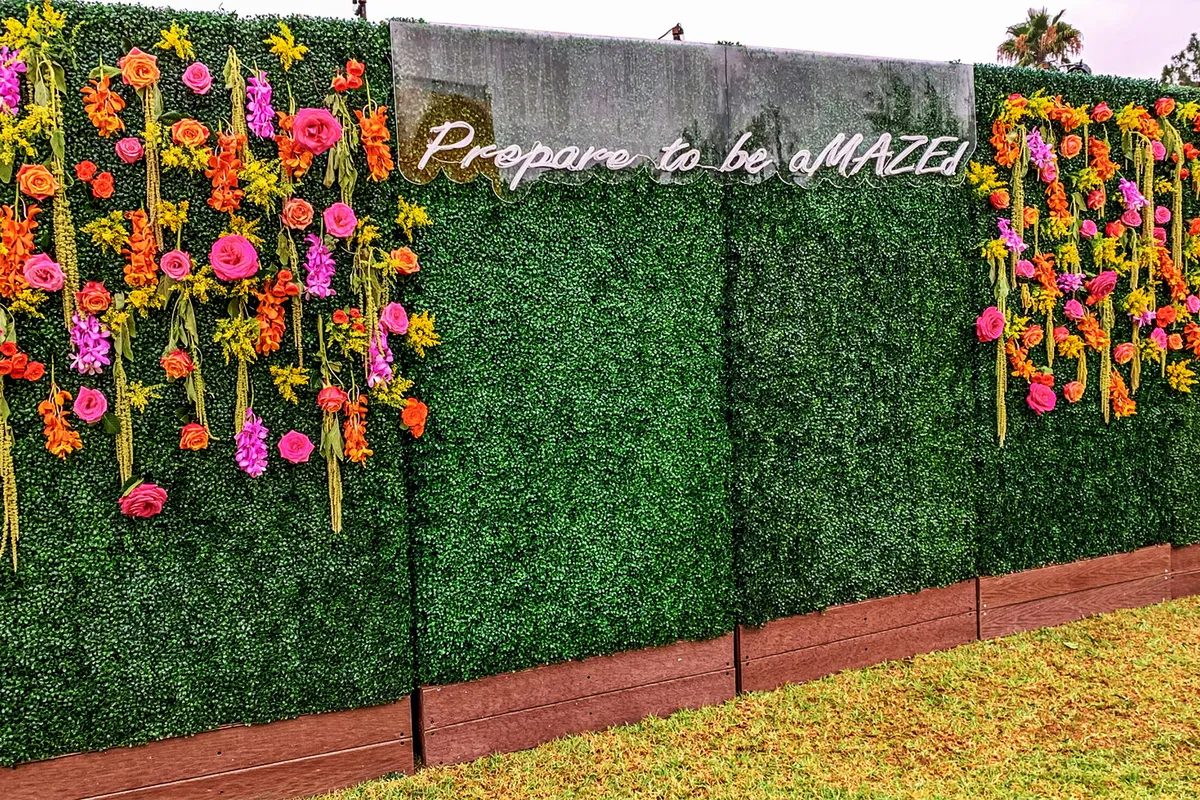
What Is the Backdrop Effect?
Think about the last event photo you posted on social media. What was behind you? Chances are, if the backdrop was interesting, you shared the photo. If it was a blank wall or a cluttered room, you probably did not.
This is the backdrop effect: the background of an event space has an outsized influence on guest experience, photo quality, and social media engagement. Understanding why backdrops matter helps you make better design decisions for your own events.
How Do Backgrounds Affect the Event Experience?
Visual Anchoring
Human perception is heavily influenced by visual context. A well-designed backdrop creates what psychologists call visual anchoring -- it establishes the aesthetic standard for the entire space. When guests see a premium backdrop, they unconsciously evaluate everything else in the space more positively.
Photo Motivation
People are more likely to take and share photos when they have an attractive background. This is not vanity -- it is human psychology. An appealing backdrop reduces the friction between wanting to capture a moment and actually doing it. Remove the awkward background, and people photograph freely.
First Impressions
The backdrop behind your stage, registration area, or entrance is often the first designed element guests encounter. It sets the tone. A thoughtful backdrop communicates: "We invested in this experience. You are in for something special."
How Do Backdrops Multiply Social Media Reach?
Every photo shared from your event is free marketing. But the quality of those photos determines whether they help or hurt your brand. Consider the difference:
Without a backdrop: Guest takes a selfie with other guests visible in the background, half-eaten plates on the table behind them, and a fire exit sign over their head. They might share it, but it does not represent your event well.
With a backdrop: Same guest, same selfie, but now there is a lush green hedge wall with warm lighting behind them. The photo looks polished, intentional, and aspirational. They share it enthusiastically, and their network sees a beautiful event.
In practice, events with dedicated photo backdrops often generate more guest-created social content than events without a planned photo area. A cleaner background also improves the likelihood that guests share those photos publicly.
What Makes an Event Backdrop Effective?
Simplicity
The best backdrops are simple. A solid color, a texture, or a pattern -- not a busy scene. The backdrop should enhance the subject (your guests, your products, your speaker), not compete with them. This is why hedge walls work so well: a consistent green texture that flatters without distracting.
Contrast
The backdrop should contrast with what is in front of it. People wearing normal clothing (black, white, navy, red) pop beautifully against a green hedge wall. The color contrast makes subjects stand out clearly in photos.
Lighting
A backdrop without lighting is half a backdrop. Uplighting, spotlighting, or integrated string lights add dimension and create photographic depth. Lit backdrops look professional even in smartphone photos.
Scale
The backdrop needs to be large enough that it fills the background of a photo. Too small, and the edges of the backdrop are visible, breaking the illusion. For individual portraits, an 8-foot-wide backdrop works. For group photos, scale up to 12 or 16 feet.
Height
An 8-foot-tall backdrop works for most applications. Shorter backdrops risk being too low for standing photos of tall guests. The goal is to fill the entire background of a standard portrait-orientation photo.
How Can Backdrops Be Used Beyond Photo Walls?
While the most obvious use of a backdrop is a dedicated photo area, effective backdrops serve multiple purposes throughout an event:
- Stage backdrop -- Defines the visual identity of your presentations and performances
- Space definition -- Creates distinct zones within a larger room
- Brand communication -- Carries your logo, messaging, or aesthetic identity
- Ambiance creation -- Transforms the mood of a space through color, texture, and lighting
- Noise reduction -- Textured backdrops like hedge walls provide modest acoustic benefits
Is an Event Backdrop Worth the Investment?
Event backdrops represent a small percentage of most event budgets but deliver disproportionate impact:
- They are in the background of nearly every photo taken at your event
- They set the aesthetic tone that influences perception of everything else
- They generate organic social media content that extends your event's reach
- They transform the guest experience from "nice event" to "wow, this was special"
If you are budgeting for an event and wondering where to allocate marginal dollars, a premium backdrop is one of the higher-leverage line items because every photo from the event runs through it. Browse our gallery for inspiration, or explore custom creations for a one-of-a-kind installation. For wedding-specific ideas, see our top 10 wedding backdrop ideas with hedge walls.
Ready to elevate your event's backdrop? Let us help you design the right solution.
Related Articles
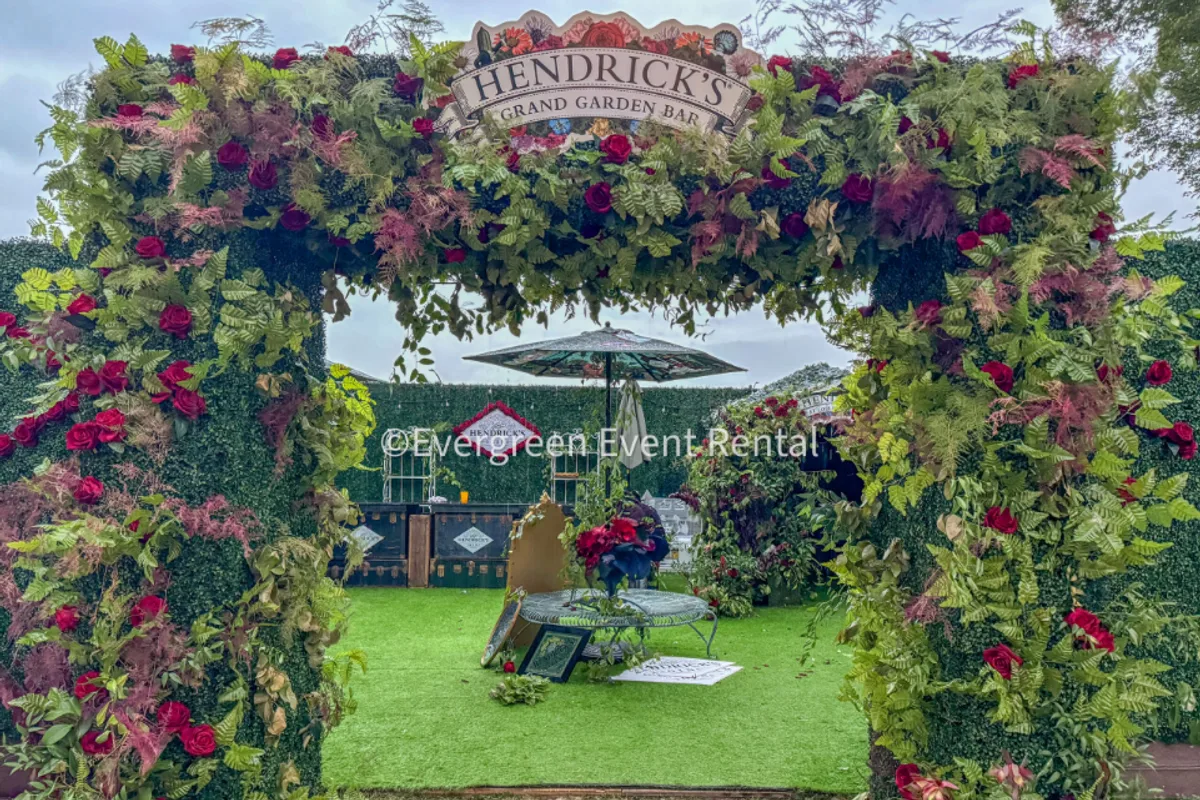
Event Rental Trends Shaping 2026
From mixed-material installations to immersive brand environments, here are the event rental trends shaping 2026 event design decisions.
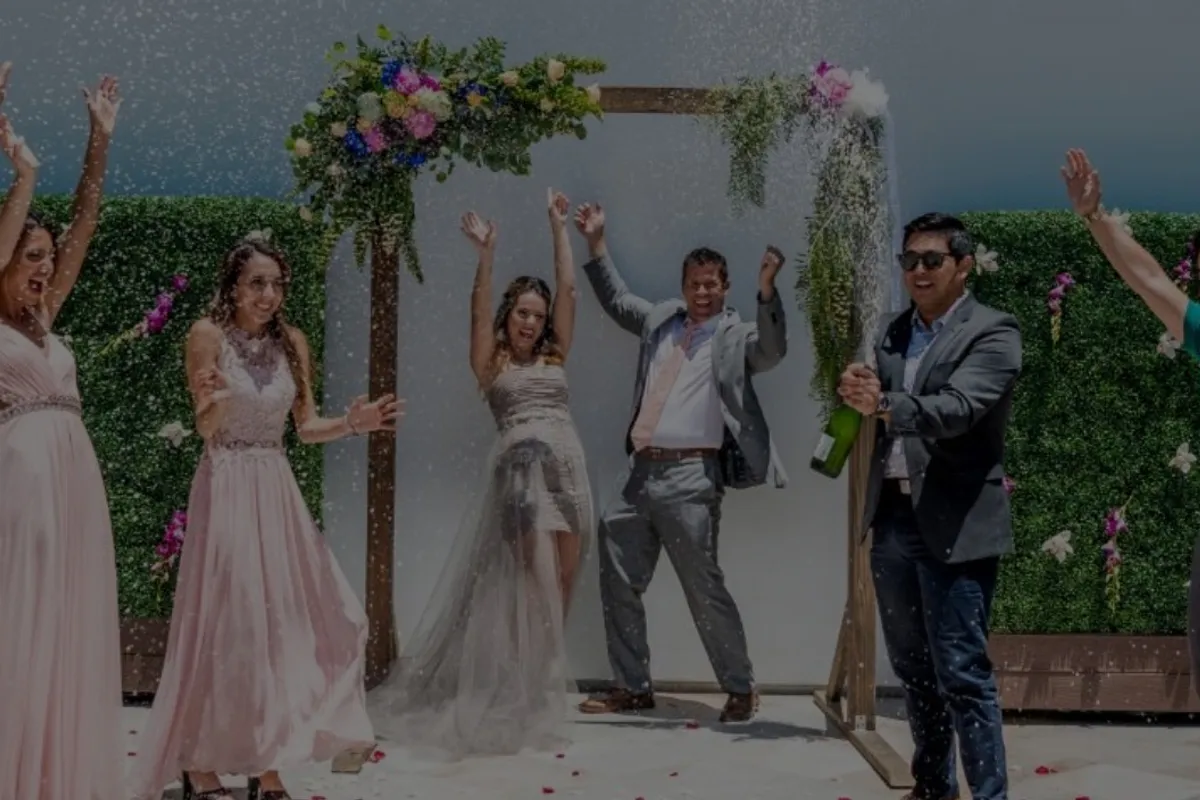
The Ultimate Guide to Hedge Wall Rentals for Events
Everything you need to know about renting artificial hedge walls for weddings, corporate events, and private parties. From sizing and pricing to design tips, indoor vs. outdoor considerations, and setup logistics.
Artificial Living Wall vs. Hedge Wall: Which Rental Fits Better?
Comparing artificial living wall rentals and hedge wall rentals for events. Learn the differences in texture, styling range, setup needs, and best-fit use cases so you can choose the right greenery format.
Related Products
Boxwood Hedge Walls
Artificial boxwood hedge wall rentals for privacy runs, branded backdrops, and modular event footprints.
View ProductHedge Arches
Freestanding boxwood arches from 8 to 12 ft tall — round, square, or custom — that connect straight into a hedge wall run.
View ProductHedge Letters & Logos
Spell it out in green. Your brand, literally living.
View ProductReady to Build Your Vision?
Tell us about your event and we'll design a custom configuration that fits your space and brand.